Showing posts with label Seika Global Net. Show all posts

Tuesday, February 7, 2012

8th Cross Cultural Forum

 
The cross-cultural forum has for the past 8 years been an event where foreign residents and Japanese alike have a chance to give speeches on some very difficult topics. This year’s Cross Cultural Forum, held on January 29th, was no easier, with all the presenters, myself included, presenting on the theme, “What is Happiness?” Not an easy question to answer, even in English.
 「クロスカルチュラルフォーラム」では、外国人も日本人も考えさせるテーマのについて発表できるイベントです。今年1月29日の開催されたクロスカルチュラルフォーラムでも、私を含める発表者は「幸せって何?」という深いテーマでした。私にとって、この質問は英語でもよく答えられないと思いました。

 After the standard introductions, our first presenter was a Jamtso Tenjin from Bhutan, a country well known for its policy of Gross-National-Happiness(GNH). In addition to giving us a rundown on GNH and its basic tenets, he also went into detail about life in Bhutan, and how people live much the same as hundreds of years ago. But what really took me by surprise was his devotion and admiration of the king of Bhutan. In the news you hear about the king’s popularity, and he does come across as a good man, but to hear it directly from a Bhutanese citizen made it very clear how much he actually means to his people.

 最初の発表者はブータンからのテンジン・ジャマソーさんでした。ブータンの「国民総幸福」という国づくり施策はとても有名で、テンジンさんはその施策を紹介したうえで、ブータンでの生活についても話しました。テンジンさんによると、ブータンの人たちは百年前の人と同じふうに生活をしているといいました。ただし、一番びっくりしたのは、ブータン王様に対しての献身でした。ニュースなどによる、ブータンの王様がとても人気な国王で、本当にいい人だと言われますが、直接ブータン人1人から聞くと、どれぐらい住民の人に愛されているかをはっきりわかってきました。


 Next, Roi Yang-yang from China gave a presentation on what constitutes happiness to younger Chinese. Though she started off on the education system, and how until college more than happiness, the lives of Chinese students are devoted to study and work; she eventually moved into talking about love and marriage. She explained how, for many educated, independent women in China, marriage is becoming less of a priority. Apparently, for these career-oriented women, happiness has become less about having a family and more about having a successful career. Clearly as the world changes, so too do people’s definitions of happiness.

次、中国からのロイ・ヤンヤンさんは中国の若者にとっての幸せについて発表しました。始めに、中国での教育システムについて話して、大学に入学するまで、学生の目標は幸福より勉強だと説明しましたけど、そのあと愛と結婚の話に移りました。ヤンヤンさんによると、教育があって自立した女の人は結婚にたいしての興味が最近減っています。こういうキャリア志向の女の人にとって、家族より出世のほうが幸福感を受けるようです。やっぱり世界が近代化すると、「幸福」の定義も変わるでしょう。

 Following these was the Seika Nishi Middle School International Exchange Club, talking about what happiness is to middle school students. By polling their classmates, the club was able to get a lot of feedback on what these kids are looking forward to most in life. Of course there were the standard hopes and dreams; a nice family and enough money, but there was also some surprising elements too. I was a little taken back that the most popular activity for middle school students was “sleeping.” Now don’t get me wrong, sleep is wonderful! But for that to be your favorite part of the day seemed a little depressing, especially for all these young kids.

 つぎ、精華西中学校の国際交流部の生徒三人は中学生にとって幸せって何ということについて発表しました。クラスメートとインタビューしてから、中学生は何を望んでいるか、また何が楽しいと思っているかについて話しました。もちろん、平和な家族やたくさんお金などの普通な夢もありましたが、びっくりすることも何個もありました。とくに私を驚かせたのは、中学生に一番幸せになる活動は「寝ること」でした。誤解しないでください:寝るのとても素敵なことですが、中学生の一日の一番幸せになることは寝ることなんて、少しかわいそうだと思います。

 Bringing up the rear was yours truly, and I had decided to talk about how for many people, immigration is the key to some kind of happiness. In particular I introduced how folks like myself don’t fit into the traditional immigrant role; those looking for work, freedom, or reunification with their families. Instead, I felt that there were special reasons for us coming here to Japan specifically. Namely; the thirst for adventure and new experiences, a love of Japanese culture or history, feeling more comfortable in Japanese society, and the attention that we foreigners receive in Japan.

 最後の発表者は私でしたけど、多くの人にとって、移住により幸せを見つけることができることについて発表しました。私のような人は、仕事や自由、家族再統合を探している移住者ではないと述べました。なぜ日本こそすみたいと思ったかというと、特別な理由があるからです。具体的に、新しい経験と冒険の欲することや、日本の文化と歴史などに興味があること、日本の社会で帰属意識を得ること、外国人として注目をもらうことです。

 The first three are fairly self-explanatory, but I’d like to explain the idea behind the last point; that many of us foreigners like the attention we get in Japan. And whereas in some countries this attention can turn to hate, in Japan most of the attention is fairly positive. Japanese people see you and want to talk to you; myself and many friends often get people coming up to us to strike up conversations while walking around town. Of course it can get annoying when you just want to be treated like everyone else, but I do think that many foreign residents do, to a certain level, enjoy being “special,” and being representatives of their country.

 最初の三つは一目瞭然ですが、最後のことを少し詳しく説明したいです。日本にいる外国人はたくさんの注目を受けます。ほかの国で、こういう注目がすぐ憎しみになれるけど、日本での注目はほとんど積極的です。外国人をみると話かけてみたい日本人も何人いるようです。私と友だちも町へ散歩しにいくときによく話しかけてもらいます。他の皆さんと同じふう扱われたいときには少し面倒ですが、私を含めて、多くの外国人は少し特別な存在になること、また国の代表になることが好きだと思います。

 The whole event was a really interesting insight into what happiness is for so many people, from Bhutan to China, to Japanese middle school kids and even myself. Hopefully next year’s topic will be just as thought provoking.

 このイベントで、ブータン人や中国人、日本の中学生、そしてアメリカ人などの幸せにたいしての意見をよく知る機械でした。来年の考えさせるテーマもう楽しみしています。

Friday, November 25, 2011

Seika Festival 2011 / せいか祭り2011年


 As November comes around, it’s time again for the Seika Festival! With over 35,000 visitors last year, the festival is far and away the biggest event of the year, and despite a bit of rain and clouds, it went off without a hitch this year!

 11月の後半は、精華町の一大行事、せいか祭りの時期ですよ。今年は少し曇りでしたが、本当にいい祭りになったと思います!
Like last year, I was posted at the Seika global Network booth, where we held a small international photo contest, using photos from out sister city, Norman, Oklahoma. We had the kids and their parents pick their favorite picture and then handed out balloons. We also had information about Seika Global Network and Norman up, and a lot of people seemed really interested to learn more about our sister city!

 今年も、せいかグローバルネットの国際交流コーナーで手伝いました。今回は、姉妹都市ノーマン市の国際交流団体「PASSPORTS」から送ってもらった写真を展示して、来場者に投表してもらいました。せいかグローバルネットとPASSPORTSの紹介文も貼りましたが、精華町の姉妹都市についてもっと詳しく知りたかった人も多かったようです。

Wandering around the festival during lunch, I saw different stalls selling all kinds of fresh fruit, toys, takoyaki, and all kinds of other things. There were hands-on activities too, set up by different groups and organizations in Seika. At one for instance where you had to try to power a TV with a bicycle. There was even a giant inflated Mario which kids could bounce around inside of.

 昼休憩の時に祭り会場をウロウロしていましたので、新鮮な果物やおもちゃ、たこ焼きなどをうっていたブースをたくさん見ました。精華町の団体や協会などの体験コーナーなどもありましたよ。自転車のペダルをこいで発電できるコーナーなどもありました。さらに、子どもが楽しく安全に飛び跳ねることができるフワフワスーパーマリオもありました!

Inside the Suikeien were different dance performances, covering every genre from hip-hop to cheer squad. Additionally, all kinds of different bands performed at the Music Street concert, though my favorite was probably a group that looked like regular salary men, but rocked like Spinal Tap.

 水景園のなかでダンス出演もありました。ヒップホップからチアリーディングまであらゆるダンスを見れました。そして、けいはんなミュージックストリートで色々なバンドが演奏しました。特に、一見普通のサラリーマン風のグループのロック音楽演奏がすばらしかったです。

 The whole festival was a lot of fun this year too, and it seems like many kids and adults were interested in our sister-city. Here’s hoping everyone who came out had a great time and that next year is just as fun!

 せいか祭りの全部が今年もとても楽しくて、たくさんの子どもと大人にノーマン市に興味を持っていただいたようです。来てくださった人も楽しくできたらと思いますので、来年も楽しみましょう!

Wednesday, September 7, 2011

Bon Dance at the Japanese Language Class

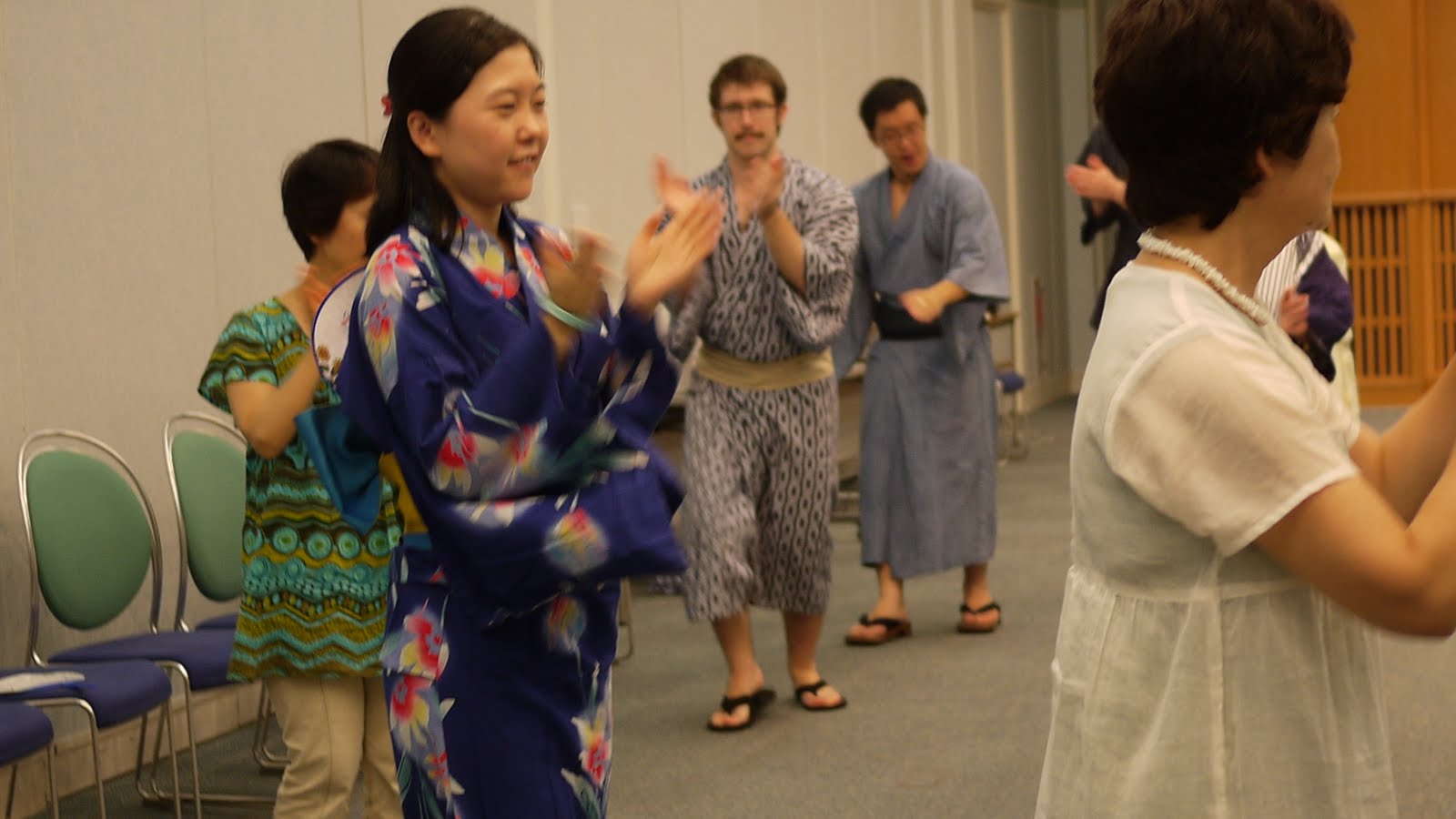
So I know it's a little late, but on August 2nd, all the students and teacher's of Seika Global Network's Japanese language class got to do the Bon dance!

8月2日にせいかグローバルネットの日本語教室で生徒たちと先生たちが盆踊りしましたよ!ちょっと遅くなりますが、写真を是非見てください。


If you're interested in the Japanese Language class, check out their blog, or contact me.
日本語教室に興味がありましたら、以下のリンクを見て、または私に連絡して下さい!


Friday, June 10, 2011

Kamo Walking Tour / 加茂町のウォーキングツアー

   The rainy season has started in Japan, and honestly, I am just not a big fan. The sun rarely pops out, you can never dry your clothes since it’s always wet, and riding a bike in the rain is about as easy as walking through molasses.
   最近日本の梅雨が始まりましたが、正直あまり好きではありません。いつも曇りや雨で、服も乾かないし、雨の中で自転車を乗るのは本当に無理です。

   However, the upside is that all the water works magic for all the plants and trees, so on the off chance it’s not rainy and cloudy the scenery is staggeringly beautiful. And thanks to clear skies that’s just what we got to enjoy this past Saturday on Seika Global Network’s yearly walking tour.

   ただし、その雨が木やほかの植物を青々とさせる、晴れた日の景色は息をのむほどきれいです。そして、先週6月4日(土)は凄く晴れたから、せいかグローバルネットのウォーキングツアーでその景色を楽しめました。

   Put on by the Seika Global Network, the tour aims to help students of an English guide class practice their English speaking skills and learn how to lead tour groups around. The tour ran through a small town to the east of Seika called Kamo, and 24 people came along for the adventure, including 8 foreigners.

   このウォーキングツアーはせいかグローバルネットに主催によるもので、英語ガイド講座の生徒たちに英語を使える機会、またツアーガイド体験のイベントでした。ウォーキングツアーは精華町から東にある加茂町で、外国人8人を含め、合計24人がしました。

   The first stop was the Gansen temple, a temple that despite being rebuilt in 1987, has hundreds of years of history. There was apparently a large complex to start with, but over the years the rest were burnt down in civil wars, leaving only the main hall and a pagoda. The pagoda is a real treat though, peeking out of the green forest, and the splash of bright orange among the green backdrop was really beautiful.

   1987年に再建された何百年もの歴史がある岩船寺からツアーを始めました。昔もたくさん同様のものはあったらしいですが、何回も戦火により焼失したから、現在は本堂と三重の塔だけが残っています。緑の森から空に向かって突き刺す三重の塔はすごい見物でした。

   Our tour then carried us onwards, through forests and back roads to see the sekibutsu, the real draw of the tour. Sekibutsu, (literally “Stone Buddha,”) are carvings or statues of different Buddhas, meant to protect people or sometimes grant request. The most famous of these are the Jizo statues, guardians of children who died before their parents, and you can see them spread across Japan, easily recognizable by their red scarves and bibs. But beyond the Jizo, there are many different kinds of sekibutsu, and the path through Kamo is famous for these images, including different statues like the “Slit-neck” Buddha and the laughing Buddha that we saw on the tour.

   それから森と裏道をブラブラ歩いて、石仏を見ました。石仏は人を守ったり人のお願いをかなえたり、石に彫られた仏像です。石仏のうち子どもの守護の「お地蔵さん」はいちばん有名で、あっちこっちによく目かけます。お地蔵さんだけではなく、石仏は色々な種類がありますが、ツアーで見た一願不動やわらい仏などもあります。

   The sekibutsu seemed to be hidden away in all manner of places, and it was a lot of fun winding through the woods to suddenly come upon a huge collection of statues or a fearsome Buddha carved in the rocks. My personal favorite was a giant carving of Amida Buddha, several meters high and staring out from across a valley at us. I was totally sure we could walk up and get a closer look, but as the grass was apparently full of snakes, good sense won out.

  そして、石仏は隠れていたようでした。 私達はよく角を曲がると、急に大きい石仏と直面しました。一番気になった石仏は谷の反対側から見詰めている大門仏谷の阿弥陀石仏、何メートルもの高さがありました。ちょっと遠かったから、近づいていいかなとおもいましたが、ガイドの方から草むらに蛇がたくさん隠れていたと注意があったので、良識に従いました。

   We also got to stop at Joruri Temple where a collection of nine Buddhist statues, made nearly a thousand years ago, are on display. Even now, there’s always something striking about seeing things that old. It’s always cool to see stuff that is about 4 times older than the United States, and were carved at a time when Robin Hood was supposedly prancing about Sherwood forest.

   平安時代後期に作られた阿弥陀如来坐像9体がある浄瑠璃寺にも行っていました。今も、そんな昔につくられたものを見るとやっぱり感動するでしょう。その如来坐像はアメリカ合衆国の設立より4倍ぐらいふるくて、ロビン・フッドに時代に掘られていたなんて、ちょっと信じられません。

   Of course the temples and Buddhas were very pretty and had a certain charm, I just as impressed by the nature surrounding us. Like I said, all the rain made the scenery greener than a hundred dollar bill, and as the wind blew through the trees, it looked like green waves were rippling across the mountains. Now that I’ve lived in Seika for a while, I tend to forget how beautiful the landscape of Kyoto can be, and this walk was a good reminder.

   お寺と石仏は確かにきれいで迫力がありましたが、周りの自然に同じほど感銘しました。梅雨のおかげで景色が豊かな緑色になって、風が木を吹き抜けると、緑色の波が山に押し寄せているのようでした。もう精華町に10ヶ月ぐらい住んでいるので、京都府の景色はどれぐらいきれいかを忘れてしまって、このウォーキングツアーで思い出しました。

   And there were also cats, which always makes things like, 10 times better.

   あと、猫ちゃんもいました~。

Thursday, April 21, 2011

3rd International Understanding Festival / 第3回国際理解フェスティバル

  Now in its third year, the International Understanding Festival, sponsored by the Seika town office and Seika Global Network, is a chance for people to come and learn about all the different international events and activities in Seika. It serves both as a review of last year’s activities as well as a preview of what’s to come. And this year’s International Understanding Festival, held on April 17th in the Seika Exchange Hall, was chock full of information.

  精華町と「せいかグローバルネット」が共催し、第3回を迎える国際理解フェスティバルは町内の国際交流行事や活動についてさらに知る良い機会です。このフェスティバルでは去年の活動の一部と、今年度の計画を知ることができます。そして、4月17日(日)に精華町交流ホールで開催された第3回国際理解フェスティバルは情報満載でした。

  Seeing as education is obviously the most important thing out there, the event started off with a presentation by a teacher from Seihoku Elementary on their international activities. Starting this month, English classes have become mandatory for all kids in grades 5 and 6 (ages 10-12). To prepare the kids for this, the folks at Seihoku Elementary have been holding occasional English classes combined with courses on International Understanding to get the kids ready for the switch. Although I have not seen the English courses in action, I was the one teaching the International Understanding course and I can say that most of the kids were really open to learning more about foreign cultures and languages. Japan occasionally catches flak for not having the greatest English abilities or teaching, but the desire to learn is definitely there, so I can only hope that starting the kids off early will help them be more excited about learning English.

  はじめに、最も大切な教育について、精北小学校の先生の国際交流活動の発表から始まりました。今年から、外国語活動が小学校5年から義務教育に導入されるので、生徒達の準備として精北小学校で年に数回英語の授業と国際理解授業を行っています。私は英語の授業を見たことがありませんが、国際交流の授業を教えて、ほとんどの生徒達が外国の文化・言語について興味もっているようでした。日本人の英語力が低いとたまに言われますが、向学心はあるから、子どもの早期英語教育が子どもの英語に対する関心を引き出すと期待します。

  Next up was the Seika West Middle School International club who, with the help of yours truly, presented on Seika’s sister city, Norman, Oklahoma. The kids had worked long and hard on the presentation, and they had even given precious hours of their spring break to help out, so it was good to see it go off well. Although we covered a lot of aspects of Norman’s history and famous things in Norman, we also got to tackle stuff like what Norman kids eat for school lunch. People were more than a little surprised to see tacos, pizza, and sloppy joes on the menu.

  次に、精華西中学校の国際交流部と私は精華町の姉妹都市ノーマン市について発表しました。国際交流部の生徒達は大切な春休みの間でも、本当に一生懸命努力したから、うまくいったのはよかったです。ノーマン市の歴史や名所を説明しましたが、ノーマン市内の小学校給食など面白いことも紹介できました。タコス、ピザ、スロッピジョーなどのメニューはびっくりでしょうか。

  Following this was a speech by a young Miss Cho, a participant in the 9th Foreigner Message Contest. The person originally scheduled couldn’t make it, and Cho was nice and brave enough to step forward and give a speech on short notice. Discussing cultural differences between Japan and China, Cho focused on the differences in public transport, and trains in particular. I did chuckle when she mentioned all the times she had gotten on a train going the wrong way, or overslept and missed her stop, as I have far too many of those same experiences. Most impressive though, is how far her Japanese has come in just a few months. Having met her when she first came to Japan and listening to her speech now, it is mind-blowing how much she has improved. At this rate she’ll pass me up in a few months, so it’s time to take drastic measures, i.e., actually studying again.

  それに続いて、第9回外国人によるメッセージコンテストに出場した張さんはスピーチをしました。もともと予定された方はこられなくなったから、突然でしたが張さんはやさしく勇敢に発表してくれました。交通機関、特に電車を中心に中国と日本の文化の違いについて語りました。電車を間違ったことや寝過ごしたことを説明しながら、私も同じ経験が何回もあるから笑いました。しかし一番印象的なことは、数ヶ月間に日本語の向上です。一屏さんがはじめて来日した頃に会ったから、今の日本語と比べると、どれぐらい上達したかにびっくりしました。この調子ではもうすぐ私をすぐ追い抜くから、私は勉強しないといけないですね。

  After Miss Cho was a speech from a Mrs. Hasegawa, who raised her children in America, and put forth that there were some things that Japanese could learn from the American system. Not having kids of my own on which to judge, I can’t say which country has a better system, but it was nice to see someone so open-minded about such a serious topic as child rearing. It reminds us that both countries still have a lot to teach each other.

  張さんの後に、アメリカで子どもを育てた長谷川さんは、日本人がアメリカの子育て制度から学ぶことがあると発表しました。私には自分の子どもがいないから、どっちの国がいいか判断できませんが、長谷川さんみたいに子育てのような大切な課題についても広い心を持つ人を見るのはよかったです。両国はまだお互いに教えられることがたくさんあるでしょう。

  By now though people were getting restless, and about ready to move onto something besides speeches. Thankfully the folks at Seika Global Net had planned a fun activity. By taking classic Japanese songs like “Sakura” and giving everyone the English lyrics, we had a good old fashioned sing along. Unfortunately, as the sole native English speaker, this meant I also had to lead everyone in song, which is just below flamenco dancing on the list of things I never want to do in front of a crowd. Still though, it was fun, we got to sing in Chinese too, and no one seemed to mind that I sounded like a tone-deaf badger.

  客さんはすわすわして、そろそろスピーチ以外のことをやりたくなったようでした。そして次に、「さくら」などの伝統的な日本の歌の英・中国語の作詞を皆に渡して、皆が一緒に合唱をしました。英語のネイティブスピーカーの一人として、恥かしくて皆の前で歌いましたが、中国語でも歌ったし、だれも私の下手さに気付かなさそうだったし、なかなか楽しかったです。

  The event was capped off with representatives from Seika Global Net explaining all the fun things they do throughout the year, which include hiking tours, Japanese lessons, and even the chance to farm your own vegetables. Hopefully everyone who came learned about the opportunities for international exchange here in Seika and decide to come out for more events during the year!

  最後に、せいかグローバルネットの各部会代表たちはハイキングツアー、日本語教室、農業などの主な活動を紹介しました。来てくれた人たちは町内の国際交流活動について知って、今後のイベントへ行きたくなるといいですね。

Tuesday, March 15, 2011

International Exchange Program 2011 ・ 国際交流プログラム2011

It’s been quite a while since the last post, and quite a lot has happened, namely the huge earthquake that shook Japan last Friday. For anyone who has seen the pictures, the level of damage is sobering, and I can’t recommend enough that people do what they can to help. Many organizations such as Doctor’s Without Borders, Save the Children, and the Red Cross among others are planning to provide aide, and donations of any size can always do something.

長らく投稿しませんでしたが、その間いろいろなことがありました。特に大きかったのは先週の金曜日、日本に衝撃を与えた東北地方太平洋沖地震です。ニュースを見た方はご存じと思いますが、損害の程度は本当にハッとするほどひどいです。赤十字社、国境なき医師団、セーブ・ザ・チルドレンなどの団体が援助する予定で、寄付はいつも役立ちます。


The Kansai region was less affected, so here in Seika we were able to go ahead with the International Exchange Program, where everybody seemed happy to cook some good food, have a laugh and try to think about something else than the devastation for a little while.
関西地方は地震に影響が少なかったので、私達は3月13日(日)に「国際交流プログラム2011」を予定通り開催しました。参加者は料理を作ったり、笑ったり、地震以外のことについて考えられたから、皆は凄く楽しそうでした。

The International Exchange Program is held every year, and promotes exchange through the best way The theme of the event was, “My Favorite Day,” where participants talked about some of their favorite memories, or what would qualify as a great day for them.

国際交流プログラムは毎年開催される、料理やゲーム、歌などを通じて国際交流を推進するイベントです。今回のテーマは「私の一番楽しい日」、参加者は楽しい思い出や理想的な日を話し合いました。


There were also presentations from two recipients of the Seika study abroad grant, a young girl who went to high school in the states, and a retired man who went to France to study the art of stained glass. I laughed a few times as the girl described the things that shocked her about American life, like giant birthday cakes and how many presents people get at Christmas. The man who studied stained glass actually brought in some of his work, which was awesome to see. Despite speaking very little French, the man said he had a great time, and it was quite inspiring to see how anyone with a desire to learn something new can achieve it.

そして、「精華町海外体験補助金」を受給し、米国の高校で留学した女性一人とフランスでステンドグラスの作り方を学んだ男性の体験について聞きました。大きい誕生日ケーキやクリスマスにプレゼント何個ももらうことなど、アメリカの生活に驚いたことを説明した女女性の話が笑わせました。そして、ステンドグラスを学んだ男の人は作品を持ってきて、本当に素晴らしかったです。彼によると、フランス語を上手にしゃべれなくても、すごく楽しそうでした。
However, the real exciting part, at least for me, was the cooking. A few of the foreign participants were asked to teach how to make traditional meals from their home country. I too was asked, and as my cooking is about as bad as my ballet, I hesitated at first about what to teach. Eventually I decided on the good old American classic, rice krispie squares. They’re pretty hard to mess up, kids love them, and the ingredients are all easily found in Japan. Other people made slightly fancier food, like Chirashi-zushi, Chicken kebabs with peanut butter sauce, and the truly awesome deep fried bananas. Although I may have lost out in presentation, the kids at the event devoured the rice krispie treats, so I consider it a rousing success.

私にとって一番楽しかった部分は料理でした。参加外国人の何人かが皆と作れる母国の料理を教えるようにお願いされました。私もお願いされて、あまり料理を教えるのは得意ではないから、ちょっと迷いました。結局アメリカの典型的なお菓子「ライス・クリスピー・トリート」に決めました。失敗しにくいし、子供達が大好きだし、材料も日本で見つけられるからいいおやつです。ほかの参加者はもっと立派な料理、例えちらし寿司、ピーナツソース付けの焼き鳥、揚げバナナを作りました。立派さということに負けたかもしれませんが、子供たちがライス・クリスピー・トリートを全てガツガツ食べたから、よく成功したと思います。

After eating, everyone gathered again to try signing “Doremi,” the famous song from sound of music, in a few different languages. Of course we gave the English version a shot, but there were also Chinese, Romanian, and Japanese versions that were a lot of fun to learn and sing. Not content with just singing in a foreign language, we also gave the song a try on hand bells, and though I don’t think we’ll be giving concerts anytime soon, it was still fun to try and make some music.
食べ終わったら、皆が集まって、「サウンド・オブ・ミュージック」からの「ドレミの歌」を4つの言語で歌いました。もちろん英語のバージョンを歌ってみたけど、中国語、ルーマニア語、日本語のも習って歌いました。そして、ハンドベルもやってみて、本当に楽しかったです。

It’s been a very rough and stressful week for everyone in Japan, so it was nice to see people relax, meet new people, try new foods, and just have fun.
日本中が大変な事態の中、参加者がリラックスしたり、友達を作ったり、新しい料理を試みたり、楽しんだりできたひとときとなりました。

Friday, December 3, 2010

The Seika Town Festival! せいか祭り!

Looking back through my predecessors’ stuff, it seems like the Seika festival is doomed to rain every year, or at least somewhat crummy weather. However this year bucked the trend, as visitors were treated to a beautiful fall day. Nearly 35,000 people came out to celebrate the event, which was filled with good food, lots of music performances, and fun games for kids.

前任者たちが残したファイルを見ていて、せいか祭りは毎年雨や悪い天気になる悪い運命があるそうでした。でも、今年のせいか祭りは傾向を抵抗し、参加者は凄くいい天気に恵まれました。34,000人の参加者がせいか祭りに来て、美味しい食べ物、音楽の演奏、楽しいゲームもありました。


Seika Global Network ran a booth again this year, where kids had got the chance to play a fun little quiz game with the questions ranging from geography, to animals, food, and even some about Christmas. The kids would pull a question from the mystery box, and if they could answer it correctly, they got a heart shaped balloon! Of course we gave them plenty of tries to get it right, and the parents may have helped out a little, but it was still great to see the kids learn something new about other countries. Of course there were quite a few funny answers, as one little boy said with absolute certainty that Santa rides a goat, and could not be persuaded otherwise.

せいかグローバルネットは今年もブースを出して、子供達に楽しいクイズゲームをさせました。クイズの質問では地理、動物、食べ物、クリスマスまで、色々な話題に及びました。子供はボックスから質問の一つを取り出して、それを答えたらハート型の風船をもらいました。もちろん何回答えさせたが、あと親にも手伝ってもらったが、子ども達が外国についてなんか習ったと思います。面白い答えもいっぱいあって、一人の小さな男の子は確実に「サンタさんは八木を乗るよ!」と答えて、他の答えに説得されませんでした。


On hand to help at the booth were volunteers from Seika Global Network, several Chinese students studying abroad in Seika and the surrounding area, and a few volunteers from a local High School who really helped out. I also got the chance to make some holiday cookies to hand out to special kids who answered the questions all by themselves. Although I woke up at 5 the morning of in order to finish them, they actually turned out to be a good idea since the balloons were so popular that we ran out early and had to start giving out the cookies instead! 

せいかグローバルネットのブースでせいかグローバルネットのボランティアと精華町周りに留学している中国人と近所にある高校の学生に手伝ってもらいました。そして、私は祭りの為にクッキーと作って、一人で答えられた子供にあげました。そして、風船が凄く人気で早くなくなったので、子供にクッキーをあげることになって、全部のクッキーを終わる為に当日5五時に起きたけど、助かりました。


Going out to events like this, I’m reminded how many kids Seika seems to have. The Keihanna Commemorative Park was filled with families who had come out to enjoy the day together, and there were more kids than you could shake a stick at. It was also great to run into kids from the schools I had visited, who remembered me and kept coming back to play and talk about all kind of things. I like to think they came to see me and not just to get a balloon, but it was still nice either way. With all the kids around, I really feel like Seika still has a lot of room to grow. I’ve heard stories about how much the town has changed since the first CIR came here over 16 years ago (he apparently had to do a host stay, since there were no apartments available.) Already in the four months I’ve been here, a small apartment complex was built next door, and a handful of shops open up around town, in particular a ramen shop, which I visit far too much. I have no idea how much the town will grow in the rest of my time here, but it’s going to be fun finding out.

こういうイベントに行くと、精華町は本当に子供が多いと気付きます。けいはんな記念公園で子ども達が大人より多く見えました。そして、私は訪問に行った学校の生徒達とまた会った、覚えてくれたから嬉しいです。その子ども達が風船のためじゃなくて、私と会うためにせいかグローバルネットのブースに来たと考えたいけど、どっちでもいいです。子供たちに囲まれると、精華町は本当に若い町で、まだ成長出来ると感じます。第一目の国際交流員は16年前に来たときから、精華町はもう完全に変わったと聞きました。私は来た時からの四ヶ月に、隣に小さいマンションが建って、少数の店も開店しました。私は働く二年間で精華町がどう変わるかちょっと分かりませんが、楽しみしています。

Thursday, October 21, 2010

精華子ども祭り
The Seika Children's Festival

 On October 16th, Seika held the 8th annual Seika Children’s Festival, and I have to say, it was possibly the most fun I’ve had all year. From 9 in the morning to 3 in the afternoon, kids from all over Seika got the chance to play games, make arts and crafts, and listen to concerts.
10月16日(土)、精華町のむくのきセンターで「第8回精華町子ども祭り」が行われました。正直にいって、今までで一番楽しかったです。午前9時から午後3時まで、町内の子ども達がゲームをしたり、図画工作をしたり、歌や演奏を聞くことができました。

The event opened early in the morning with a few words from the mayor and other officials, followed by concerts from a local school band, and the town Boys and Girls Chorus. After the performances kids had the chance to wander around the Mukunoki Center auditorium, playing with all kinds of fun things. They could make flower bookmarks, do some yoga, make paper helicopters, learn some sign language, and all other kind of fun things!
本イベントは朝早くに始まり、木村町長をはじめ関係者らが挨拶し、続いて精華町内の学校の吹奏楽部による演奏や少年少女合唱団による合唱でを開けました。その後、子ども達は会場内をウロウロし、色々な面白いことも出来ました。子ども達は押し花を作ったり、ヨガをしたり、竹とんぼを作ったり、手話を習ったり、本当に様々な楽しい体が験できました!

For my part, I helped out at the international exchange booth, leading a ring toss game, talking to the kids about my home back in Wisconsin, and just generally having a great time. The children also got to cut out and make little rabbits with messages on them that the Seika Global Network is going to send to a school in Norman, Oklahoma, Seika’s sister city. I have to say that, being a big kid at heart myself, the entire day was more fun than a barrel of spider monkeys. Some of the kids were nervous talking to me at first, probably on account of my fearsome beard, but once they opened up they were all smiles and looked like they were having a great time. When my Dad came a while back, he brought me about 40 pounds of Halloween candy, so I decided that it would be a good prize for kids who played ring toss. Based on the fact that those 40 pounds of candy are now all gone, I’ll go ahead and say that the event was a great success.


私は、国際交流のブースで、輪投げゲームを教えたり、地元のウィスコンシン州について話したりしていました。子ども達は紙のウサギにメッセージを書いて、これらはせいかグローバルネットが姉妹都市のノーマン市へ送られます。実際は私が心の底では子どもだから、一日は最高でした。子ども達の中には僕と話していた時に、始めにちょっと恐がっていた人もいたが、心を開かせると、子ども達を止めることは出来ませんでした。この前、父親がハロウィーンキャンディーを20キロぐらい持ってきてくれたので、輪投げをやった子どもにあげようと思いました。その20キロは完全になくなったので、せいかグローバルネットのところはちょっと人気だったかもしれません。

Not surprisingly, I got a lot of questions from the kids about why I could speak Japanese. I tried to explain that anybody can learn a foreign language if they try, and that I’d been studying Japanese for 6 years, longer than some of them had been alive! Lots of Japanese kids, and some adults as well, have the misconception that foreign people can’t learn to speak Japanese. Hopefully by talking to these kids in Japanese some of them learned that anyone, Japanese or not, can learn the language.
驚くことではないが、子ども達になぜ日本語を話せるかと聞かれました。子ども達に勉強したら誰でも外国語を話せることを説明し、僕の場合はもう6年間ぐらい勉強していて、子ども達の何人かには、その子ども達が生まれた前に日本語を勉強しはじめたことも伝えました。日本人の子どもは、そして大人も、外国人が日本語を全然話せないとよく誤解しています。ずっと子ども達と日本語で話したので、その子ども達はだれでも日本語を話せることを覚えたらうれしいです。

And on a cultural note, one thing that always surprises me about Japan is how independent the kids are. During the day, I had plenty of kids come up to talk to me and play the ring toss game without their parents around. This happens in everyday situations too, as you’ll often see kids in the street or in shops wandering around by themselves. Although you’ll occasionally see kids by themselves in America, Japanese kids seem to be given a lot more freedom in roaming around and exploring.
文化的なことに気づいたこと、日本の子ども達がすごく独立心が強いことで、いつもびっくりしています。本イベント一日で、多くの子どもは一人で私に話し掛けて、輪投げをしにきました。こういうことはよく道や店で子どもだけの姿を見かけるなど、毎日のようによく見ています。アメリカでたまに両親といない子どもを見るが、日本人の子ども達のほうが独立心みたいです。


I think the event was a great success, and the kids I met and talked to just made my day, even if they made fun of my beard. Hopefully some of the kids remember me when I go to visit their schools in the coming months.
イベントは大成功だったと思うけど、来月に行く学校訪問で、私のことを覚えていてくれる子どもがいたらいいですね。